
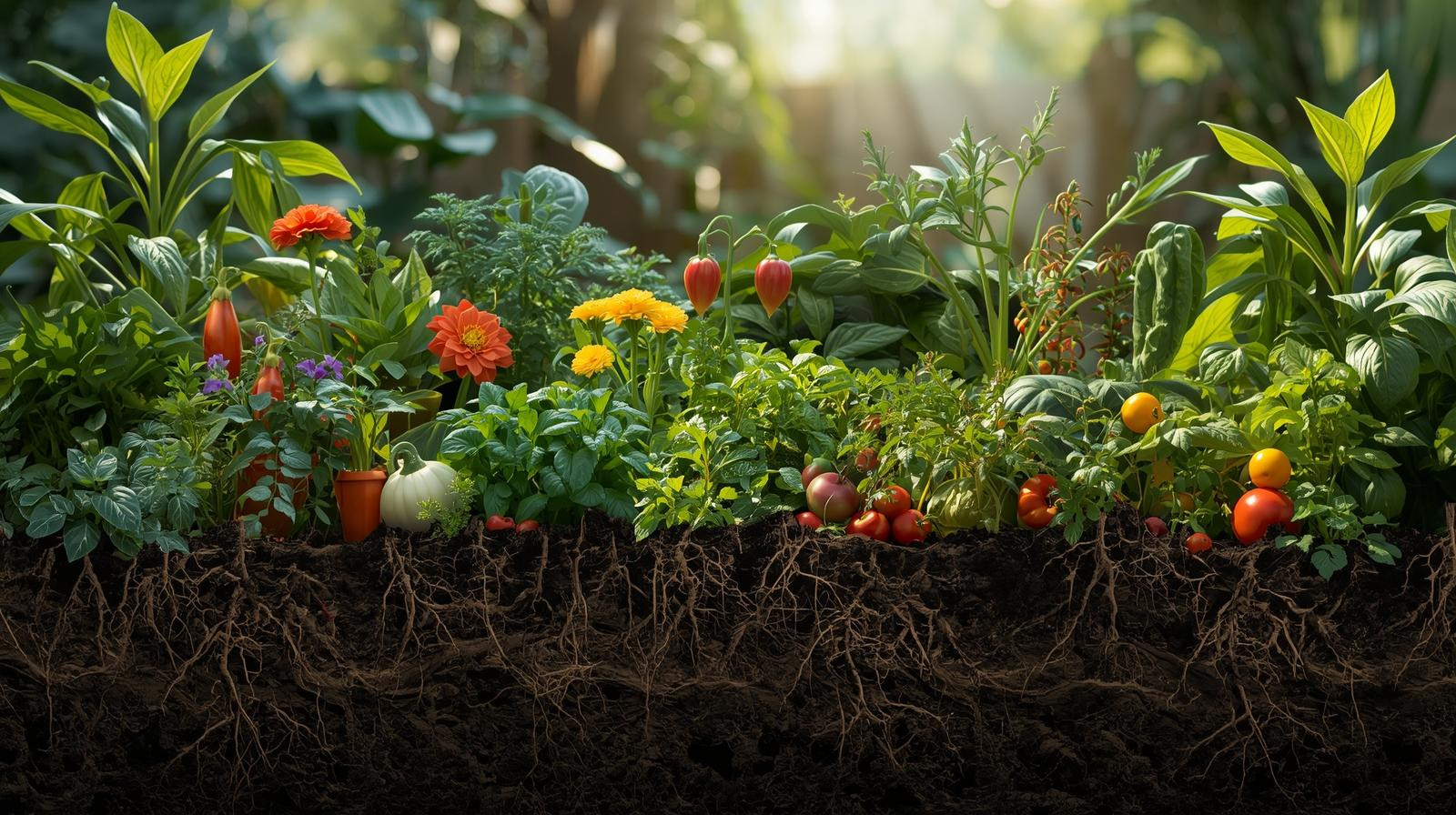
Without the right amount of sunlight, plants struggle to grow properly and cannot fully absorb or utilize nutrients from fertilizer. Insufficient light often leads to weak, leggy growth, pale leaves, and poor flowering or fruiting, even when fertilizer is applied correctly. Ensuring plants receive appropriate sunlight helps maximize fertilizer effectiveness and supports strong, healthy plant development.
What Does Full Sun Mean?
Full sun means at least 6–8 hours of direct sunlight per day.
Plants that need full sun include:
- Tomatoes
- Chili peppers
- Roses
- Sunflowers
What Is Partial Sun or Partial Shade?
Partial sun plants need 3–6 hours of direct sunlight, usually in the morning.
Examples:
- Lettuce
- Spinach
- Herbs like mint and parsley
Shade-Loving Plants
Shade plants thrive with less than 3 hours of direct sun.
Examples:
- Ferns
- Peace lilies
- Snake plants
How Sunlight Affects Fertilizer Effectiveness
- Plants in full sun use nutrients faster
- Shade plants need less fertilizer
- Low sunlight can cause fertilizer buildup in soil
Always adjust fertilizer application based on light exposure.
Signs Your Plant Isn’t Getting Enough Sunlight
- Long, leggy stems
- Pale or yellow leaves
- Poor flowering or fruiting