
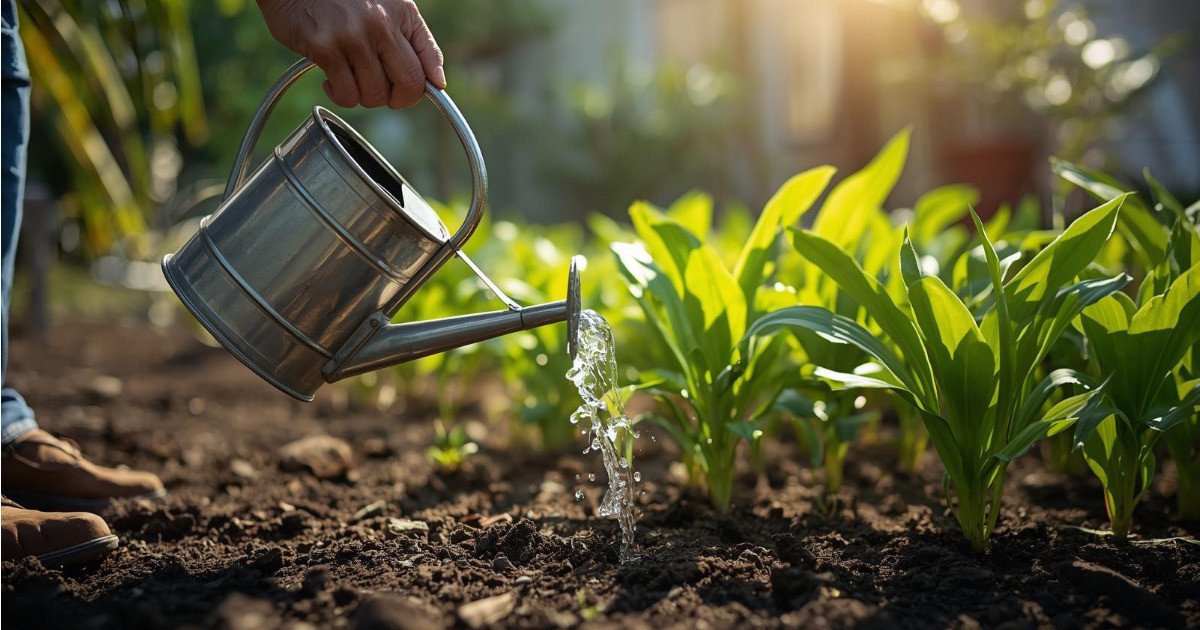
Watering is one of the most important—and most misunderstood—parts of plant care. In Malaysia’s warm and humid climate, incorrect watering can easily lead to weak roots, fungal diseases, or poor nutrient absorption. This complete guide explains how much to water, how often to water, and how proper watering improves fertilizer effectiveness for healthy plant growth.
Why Proper Watering Is Important for Plant Growth
Water plays a vital role in plant health. It helps plants:
- Absorb nutrients from fertilizer
- Transport minerals from roots to leaves
- Maintain cell structure and prevent wilting
Without correct watering, even high-quality fertilizer cannot work effectively. Overwatering can suffocate roots, while underwatering limits nutrient uptake and slows growth.
How Often Should You Water Plants?
Watering frequency depends on several factors:
- Plant type (vegetables, flowers, herbs, shrubs)
- Soil type (sandy soil drains faster than clay soil)
- Weather and temperature (hot days increase water loss)
- Plant location (ground soil vs potted plants)
General Watering Guidelines
- Outdoor garden plants:
Water 2–3 times per week, depending on rainfall and heat. - Potted plants:
Water when the top 2–3 cm of soil feels dry.
In Malaysia, frequent rain does not always mean soil stays moist—especially in pots or raised beds. Always check soil moisture before watering.
Best Time of Day to Water Plants
The best time to water plants is early morning.
Morning watering allows:
- Moisture to reach the roots before heat causes evaporation
- Leaves to dry during the day, reducing fungal disease risk
Avoid watering late at night, as excess moisture overnight encourages mold and root rot.
How Much Water Do Plants Need?
Plants benefit from deep watering, not shallow splashes.
- Water slowly until moisture reaches the root zone
- Ensure excess water drains out (especially in pots)
- Avoid waterlogging the soil
For potted plants, make sure containers have drainage holes to prevent standing water.
Watering Tips for Better Fertilizer Results
Proper watering improves fertilizer absorption and prevents plant stress:
- Water lightly before applying fertilizer to avoid root burn
- Water again after fertilizing to help nutrients move into the soil
- Avoid watering until soil becomes constantly soggy
Balanced watering ensures nutrients reach roots efficiently without washing fertilizer away.
Signs of Overwatering and Underwatering
Signs of Overwatering
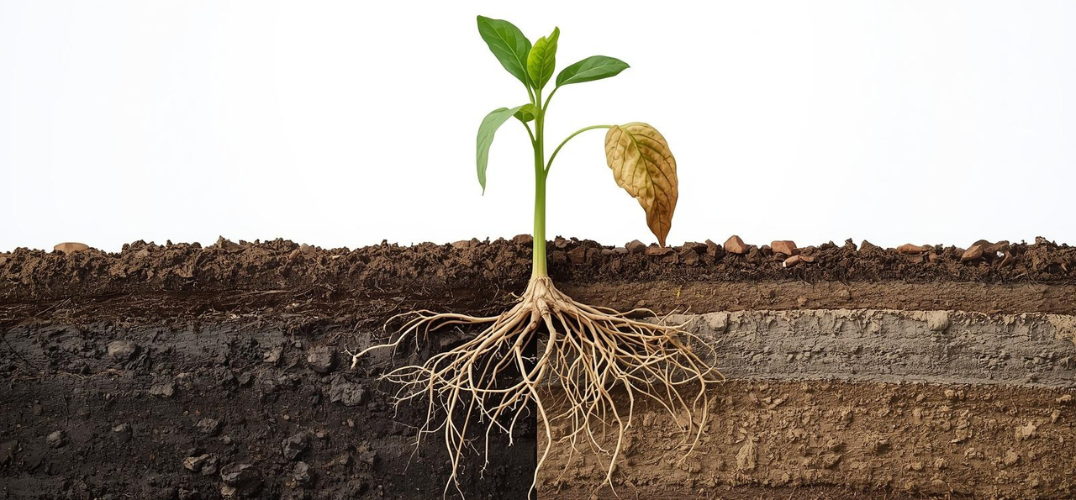
- Yellowing leaves
- Soft or mushy roots
- Root rot and poor oxygen absorption
- Fungus or mold on soil surface
Excess water prevents roots from breathing and absorbing nutrients properly.
Signs of Underwatering
- Wilting or drooping leaves
- Dry, cracked soil
- Slow or stunted growth
Underwatered plants struggle to maintain structure and absorb enough nutrients for healthy development.
Conclusion
Proper watering is the foundation of healthy plant growth. By understanding your plant’s needs, checking soil moisture, watering at the right time, and pairing watering correctly with fertilizer use, you can grow stronger, healthier plants—even in Malaysia’s challenging climate.